

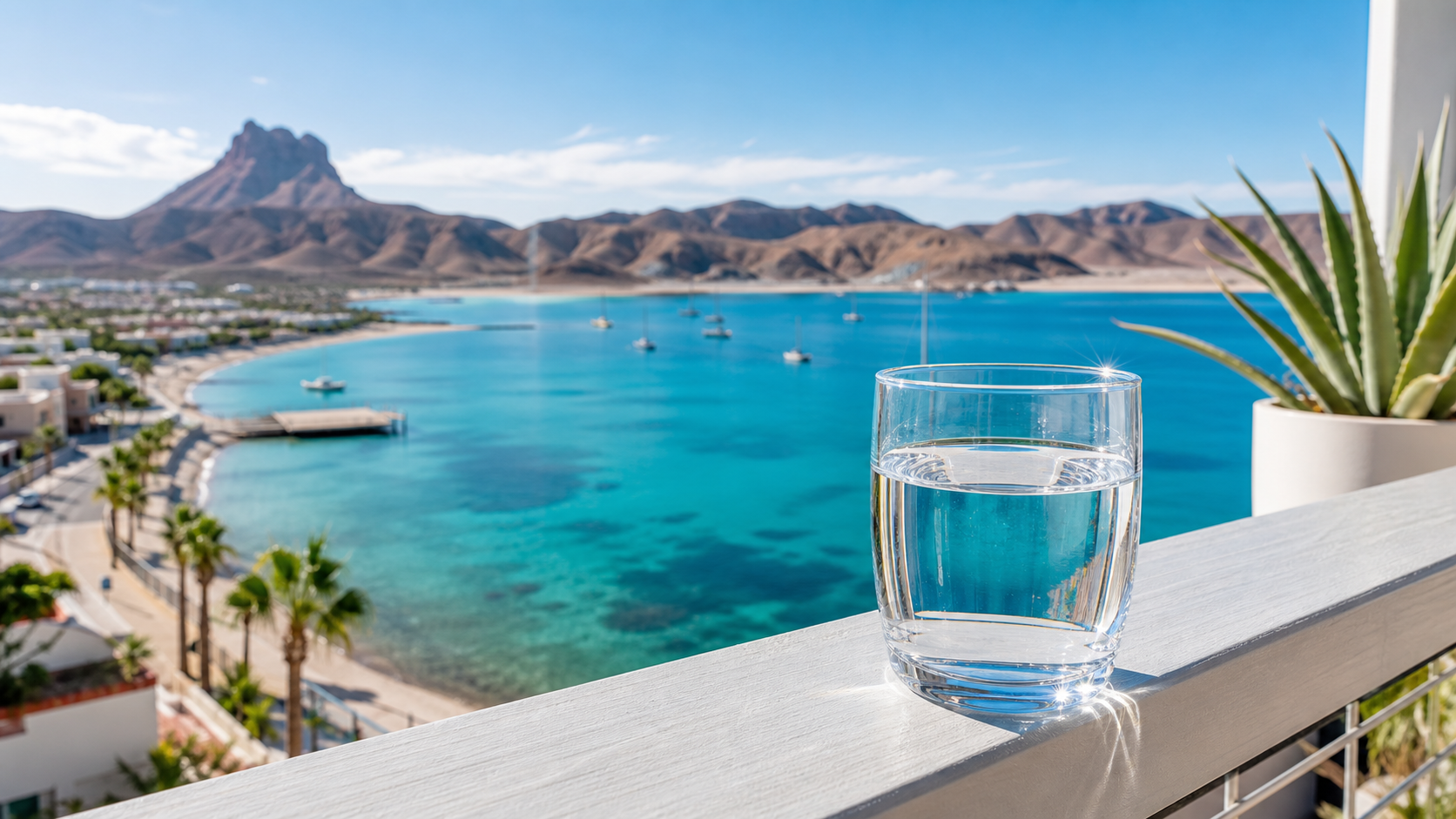
La Paz Mexico drinking water safety: what visitors need to know
La Paz is famous for its turquoise bay and desert sunsets, but many travelers worry about La Paz Mexico drinking water safety. If you are visiting, moving here, or just curious about local water quality, understanding what’s in the water—and how to treat it—matters for your health and comfort.
La Paz Mexico drinking water safety basics
When it comes to La Paz Mexico drinking water safety, most locals do not drink straight tap water. They comfortably use it for showering, washing dishes, and cleaning, but rely on purified water (garrafones) or filtration systems for drinking and cooking.
La Paz sits in a desert and depends on a stressed underground aquifer, plus aging pipes and rooftop or underground storage tanks. These can introduce germs and particles before the water reaches your tap, which is one reason people are cautious about La Paz Mexico drinking water safety in everyday life. Some areas also have naturally occurring arsenic and higher salinity because of local geology and years of over‑pumping the aquifer.
If you want local background on water management and conservation in La Paz, check out Niparajá’s “water and city” program and La Paz Waterkeeper, which monitor water quality and advocate for smarter use.
What must be removed for safe drinking water in La Paz
If you want to improve La Paz Mexico drinking water safety at home or in a rental, your treatment system should target these main categories:
1. Microbes
Tap and well water can contain bacteria, viruses, and protozoa that cause stomach and intestinal illness. To feel confident about La Paz Mexico drinking water safety, you need a barrier that kills or removes these microbes. Disinfection methods like electrolysis, UV, or chlorination—combined with good filtration—are common solutions.
2. Sediment and turbidity
Sand, rust, and fine particles make water cloudy and can hide microbes from disinfectants. Sediment filters (cartridge or multimedia) clean the water visually and protect the rest of your system. This physical barrier is a core part of any serious approach to drinking water safety in La Paz.
3. Dissolved inorganics (arsenic and metals)
Some La Paz area groundwater contains arsenic and other metals that must be reduced below health‑based limits. This usually involves:
-
Adsorption media (iron‑based or alumina)
-
Ion exchange resins
-
Reverse osmosis (RO) or similar membrane processes
In areas with higher risk, this step is non‑negotiable for long‑term health.
4. Salts, hardness, and high TDS
Extra salts and hardness minerals affect taste and can cause scale in heaters and plumbing. In coastal aquifers like La Paz, over‑pumping can lead to slightly saltier water. Technologies such as RO, nanofiltration, or softening resins help reduce total dissolved solids (TDS), improving both taste and equipment life.
5. Chemical pollutants, chlorine, and odor
Depending on the source, there may be traces of agricultural chemicals, urban runoff, and chlorine or its byproducts. Granular activated carbon (GAC) or carbon block filters are used to reduce many of these compounds. This is key if you want clean‑tasting water without chemical aftertaste.
Even if water is technically safe, bad taste or smell will keep people buying bottles instead of trusting the tap. Activated carbon and related media remove many of the compounds responsible for those off flavors and odors.
Why Acuario is a strong solution for La Paz
Now that you know what matters for La Paz Mexico drinking water safety, it is easier to see why Acuario’s design is such a strong fit. It uses a multi‑barrier approach built around electrolysis, sediment filtration, and carbon filtration.
Electrolysis and La Paz Mexico drinking water safety
Acuario’s electrolysis cells generate powerful oxidants inside the system itself. These oxidants attack bacteria, viruses, and biofilms in the water and on internal surfaces, providing continuous disinfection instead of a one‑time dose. They also help oxidize certain dissolved metals, making them easier to filter out, and can break down some organic compounds that affect taste and odor.
This kind of active, in‑line disinfection directly supports safer drinking water in La Paz by targeting microbes where they live: in the water and in your plumbing.
Sediment and carbon filters in the Acuario system
Acuario uses sediment filtration up front to capture sand, silt, and rust, which improves clarity and protects the electrolysis cells and carbon filters from clogging. Clean, particle‑free water is the foundation for reliable performance.
High‑quality carbon filters remove chlorine, many organic contaminants, and the compounds that cause bad taste and smell. This “polishing” stage turns microbiologically safe water into water that actually tastes clean and neutral.
When you combine electrolysis with sediment and carbon filtration, you get multiple layers of protection:
-
Kill or inactivate microbes
-
Remove visible particles
-
Strip out chemicals, chlorine, and off‑flavors
That multi‑barrier design matches what real‑world La Paz water conditions demand, where the source aquifer is stressed and the distribution network is imperfect.
Learn more about Acuario technology
If you want to dive deeper into how this technology works, including the electrolysis process and filter train, visit the Acuario technology page:
https://acuario.io/esil-electrolysis-purification/