

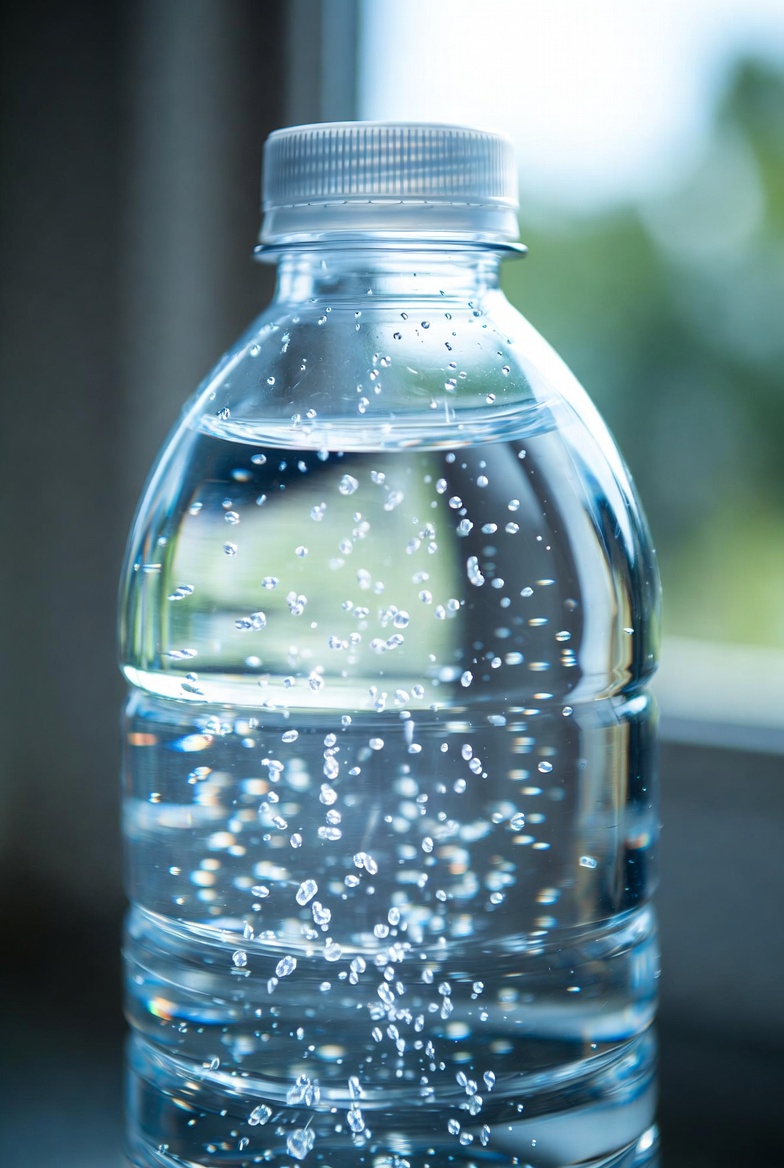
Across Mexico, millions of households depend on garrafones and bottled water for drinking and cooking, believing they are choosing the safest option. However, growing scientific evidence shows that microplastics and PFAS in bottled water Mexico is becoming one of the most overlooked public health issues in the country.
From urban centers to tourist towns and small pueblos, plastic-based water systems are quietly introducing new contaminants — even as families try to protect themselves from unsafe tap water.
The Problem with Garrafones and Bottled Water in Mexico
1. Microplastics Are Already in the Water
Multiple international studies now confirm that most bottled water contains microplastics. These tiny plastic fragments come from:
- Plastic bottles and caps
- Repeated refilling and reuse of garrafones
- Heat exposure during storage and transport
Microplastics are so small they pass straight through the body’s filters and accumulate in organs, the bloodstream, and even the brain.
This makes microplastics and PFAS in bottled water Mexico not just an environmental concern — but a direct human health threat.
2. PFAS: The “Forever Chemicals” No One Talks About
PFAS (per- and polyfluoroalkyl substances) are industrial chemicals used in:
- Plastic manufacturing
- Food packaging
- Non-stick coatings
- Waterproof materials
They do not break down in the environment or the human body — which is why they’re called “forever chemicals.”
In Mexico, PFAS are increasingly detected in water sources and are now being found in bottled water and garrafones, even when brands advertise “purified” or “safe.”
Long-term PFAS exposure has been linked to:
- Hormonal disruption
- Immune suppression
- Fertility problems
- Developmental issues in children
- Increased cancer risk
This makes the spread of microplastics and PFAS in bottled water Mexico an urgent health issue.
Why This Is Especially Serious for Mexico
Mexico’s water challenges already include:
- Aging infrastructure
- Agricultural runoff
- Industrial discharge
- Heavy metals in groundwater
Adding plastic-based contamination to this mix creates a toxic compounding effect.
Families believe they are protecting their children by avoiding tap water — yet unknowingly replacing one risk with another.
The Real Solution: Filter at the Source
Option 1: Under-Sink Water Filtration System
An advanced under-sink system can:
- Remove microplastics
- Eliminate PFAS
- Reduce heavy metals
- Remove bacteria, parasites & chlorine byproducts
This gives you safe, clean drinking water directly from your kitchen tap — no bottles, no plastic, no deliveries.
Option 2: Whole-House Water Filtration System
For full protection, a whole-house system treats every drop of water entering your home:
- Drinking & cooking
- Bathing & showering
- Brushing teeth
- Laundry & dishes
This means your family’s skin, lungs, and digestive system are no longer exposed to microplastics and PFAS in bottled water Mexico — or in untreated municipal supply.
Why This Matters for Your Family
Choosing a filtration system isn’t just about convenience. It’s about:
- Reducing your lifetime toxic burden
- Protecting children’s development
- Supporting immune and hormonal health
- Ending dependence on plastic
Most importantly, it restores something families deserve: confidence in the water coming from their own home.